
If you’re looking for work, full-time, freelance, or fractional, what you’re seeing on LinkedIn is how terrible the market is (I can attest to that) and how AI will be the end of humanity (so was the ballpoint pen, the typewriter, the personal computer, calculators, the lightbulb, the car, you get the drift). AI comes with its issues, the big one is the environmental factor. But AI, like other technological advances, also comes with benefits.
The Case for Engaging With AI Anyway
Learning to work with AI is a practical decision, not an endorsement of every concern about it. And there are real concerns. The energy consumption and environmental impact alone is worth paying attention to. But refusing to engage with AI doesn’t make those problems go away. What it does is make you less competitive in a market that’s already brutal and broken.
The professionals who stay relevant are the ones who keep upgrading their skills, not when it’s convenient, but before they need to. Waiting until the market forces it is already too late.
What Vibe Coding Actually Is
So I’ve been learning to vibe code so I can make myself more marketable to hiring managers.
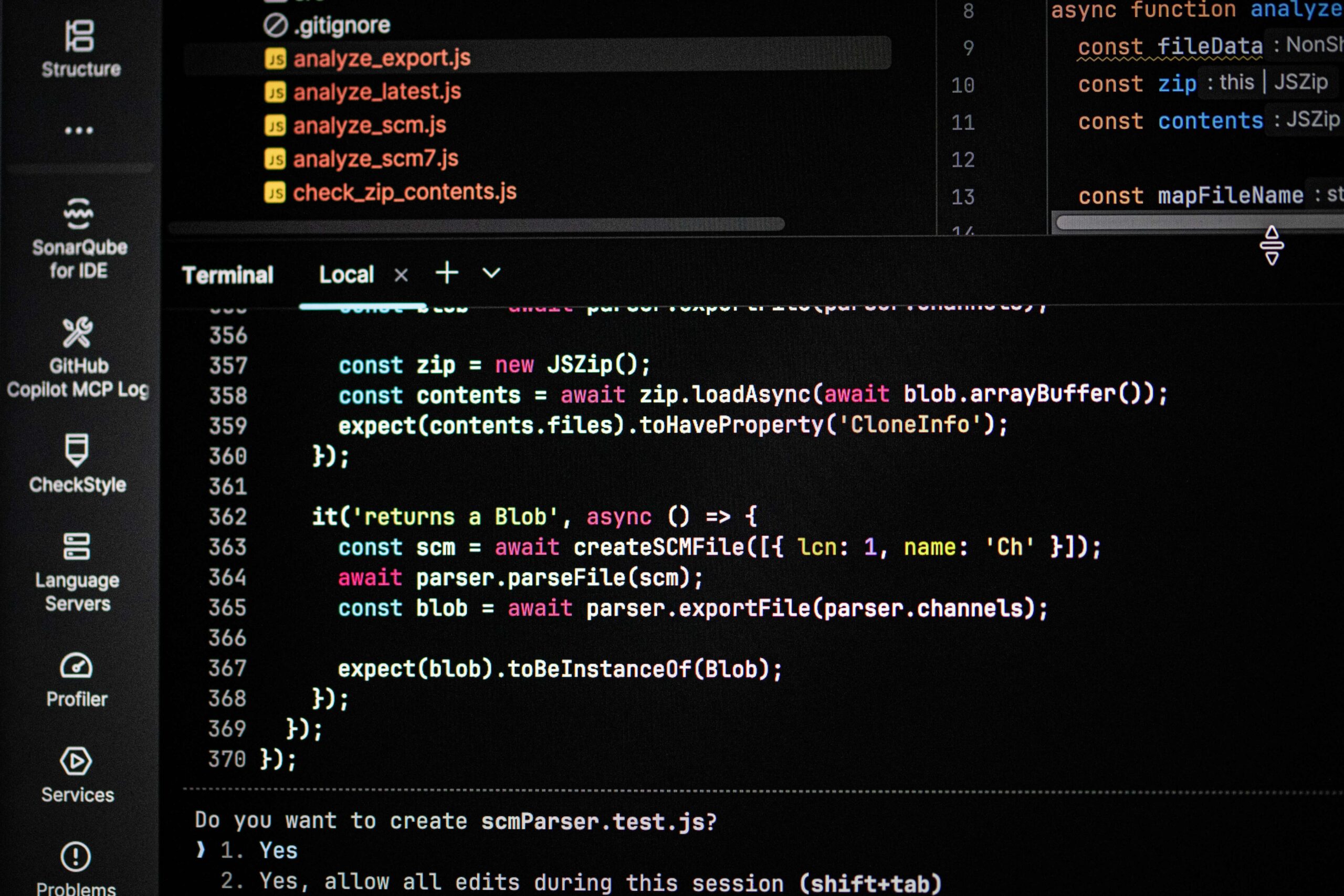
If you’re not familiar with vibe coding, it’s directing an AI, such as Claude, to write code for you through prompts, iteration, conversation, and brainstorming rather than writing every line yourself. You describe what you want, review what it produces, test it, correct it, and ship it. It’s not magic.
You still need to understand what you’re building, what good output looks like, and when the AI is steering you wrong. But it does let someone with a good idea and some design, strategy, or product instincts build functional tools without a full engineering background.
What It Revealed About My Own Instincts
For me, this started as a portfolio problem. My background is corporate marketing and communications, and I needed more depth to show, not just tell, what I can do. I already knew how to prompt effectively, so vibe coding felt like a natural next step. I built my website that way first, then wanted to push further and see if I could actually build an app.
Turns out, I could.
What surprised me wasn’t just that it worked. It’s what it revealed. Going through the process of defining what to build, how it should behave, and what problem it solves, I realized I already think that way. I have the instincts for product marketing. I just never had a way to prove it.
Introducing Built By PSC and the Momentum Suite
That process became Built By PSC, where I’m building tools that solve real problems. The first is the Momentum Suite. Network Momentum is live now, a free relationship tracker for anyone who builds relationships for a living or out of necessity. Job seekers tracking outreach, small businesses managing inbounds, anyone who knows that follow-through is where opportunities actually close. Next up is Mission Momentum, a messaging diagnostic app built specifically for nonprofits.
Skills Compound. Are Yours?
Skills compound. The communicator who understands how to build, the strategist who can prototype, the marketer who speaks product, those are the people organizations want to hire and retain. Expanding what you can do isn’t a career detour. It’s how you stay in the game.
The market isn’t waiting for any of us to feel comfortable. Vibe coding is one way I’m choosing to adapt. That’s a question worth sitting with, whatever your background.